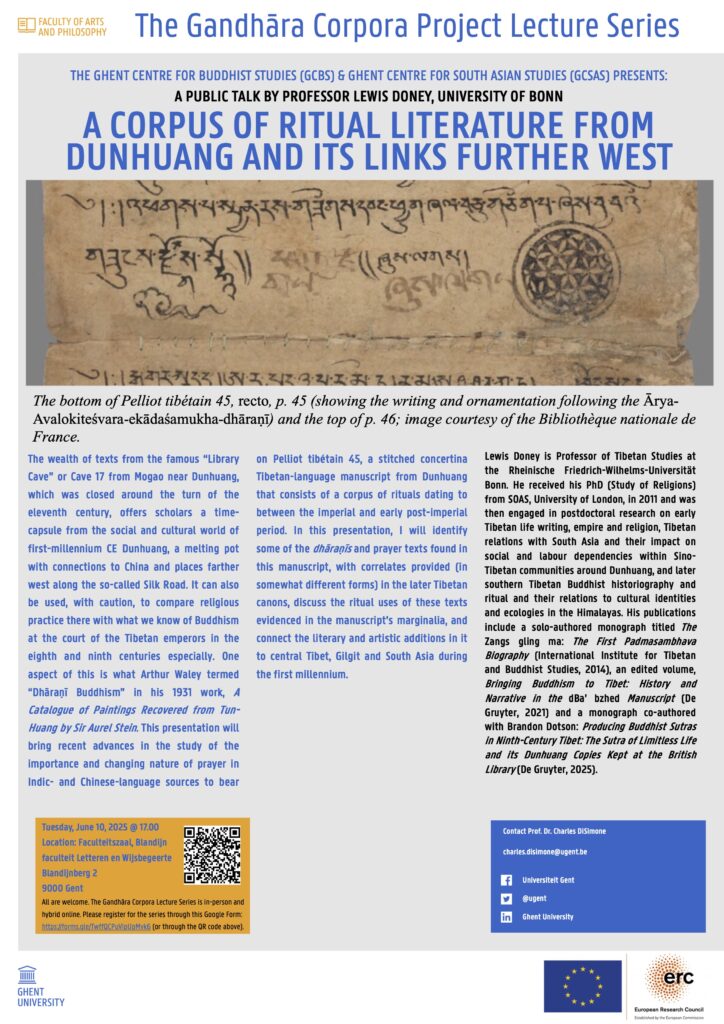
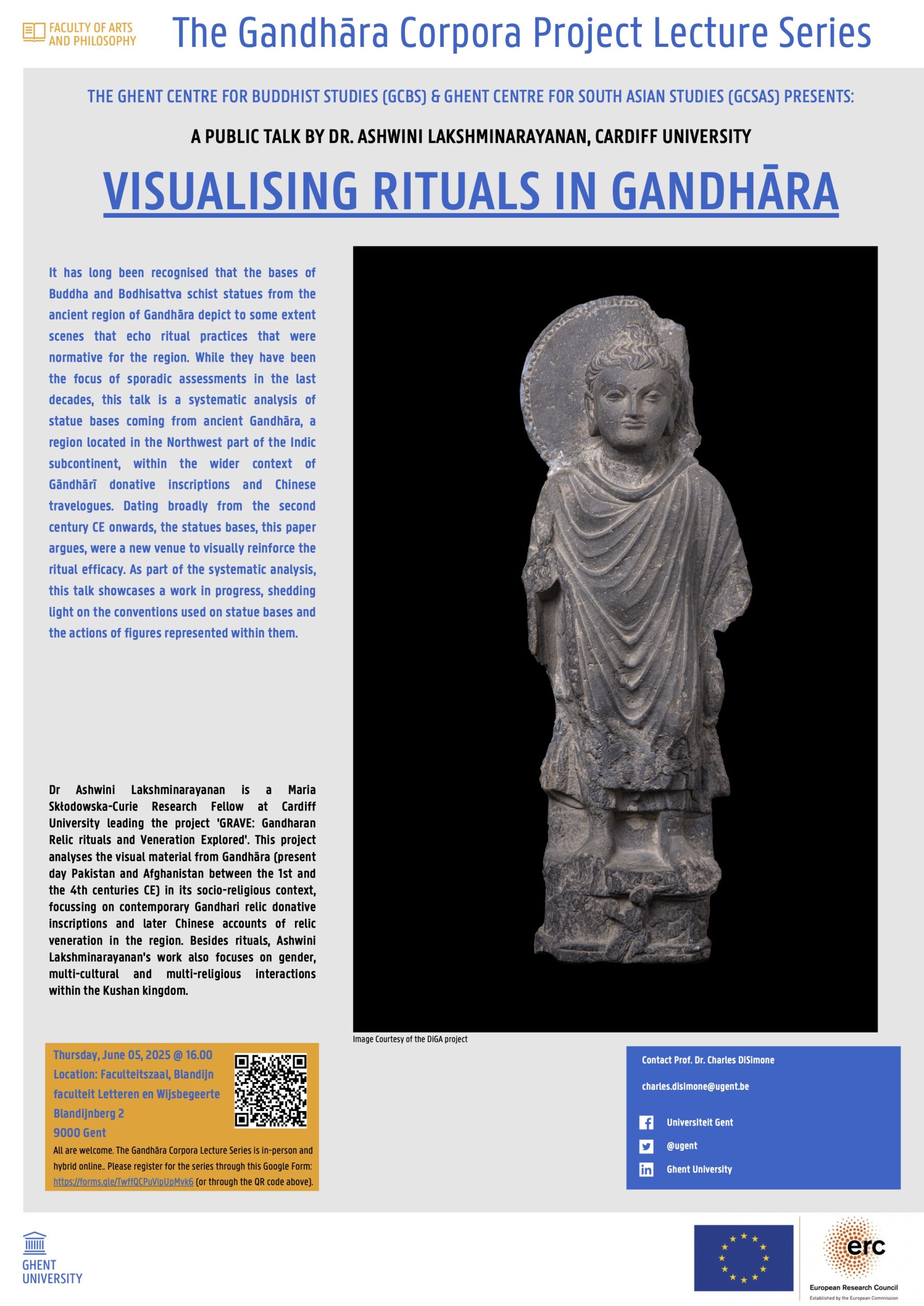
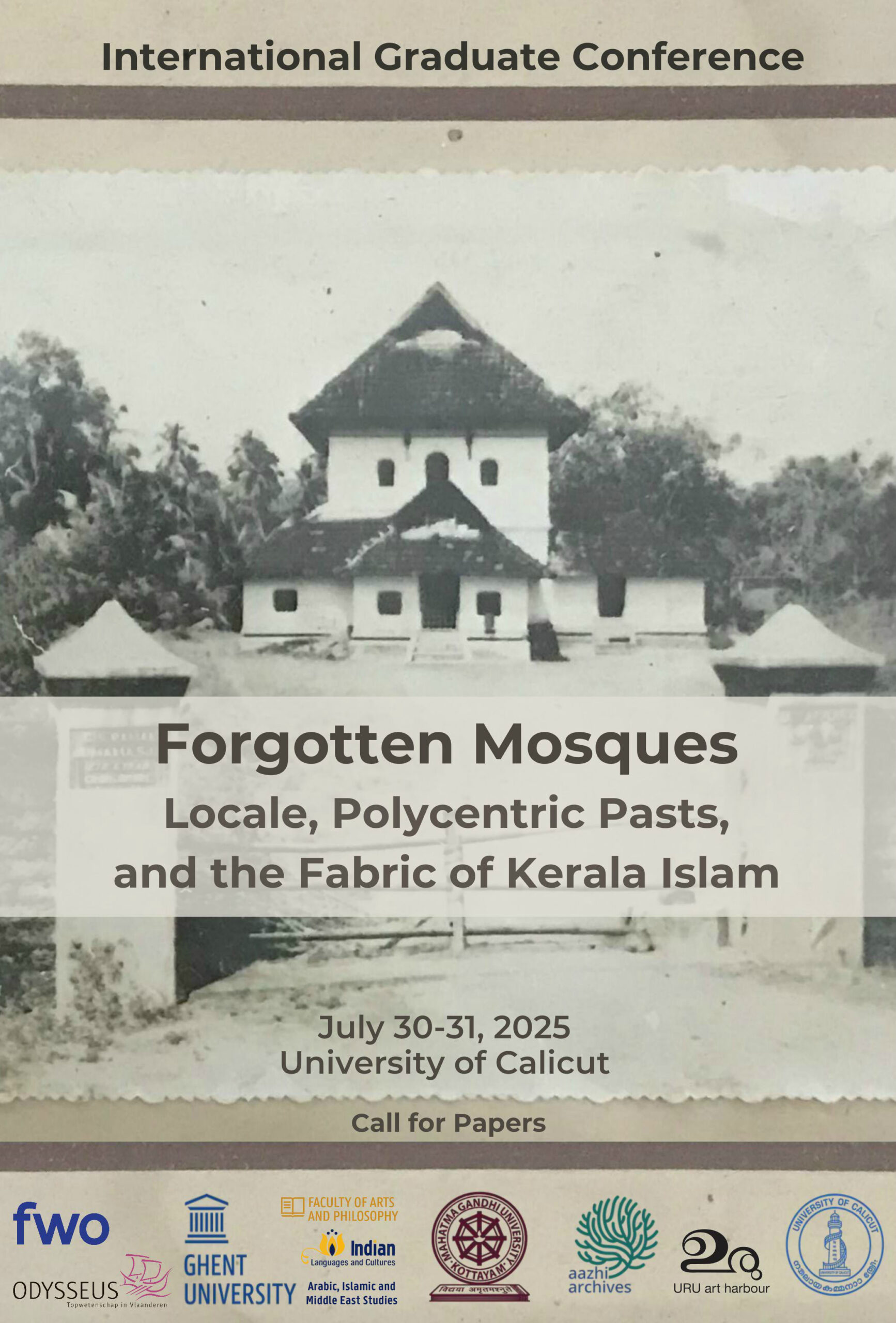
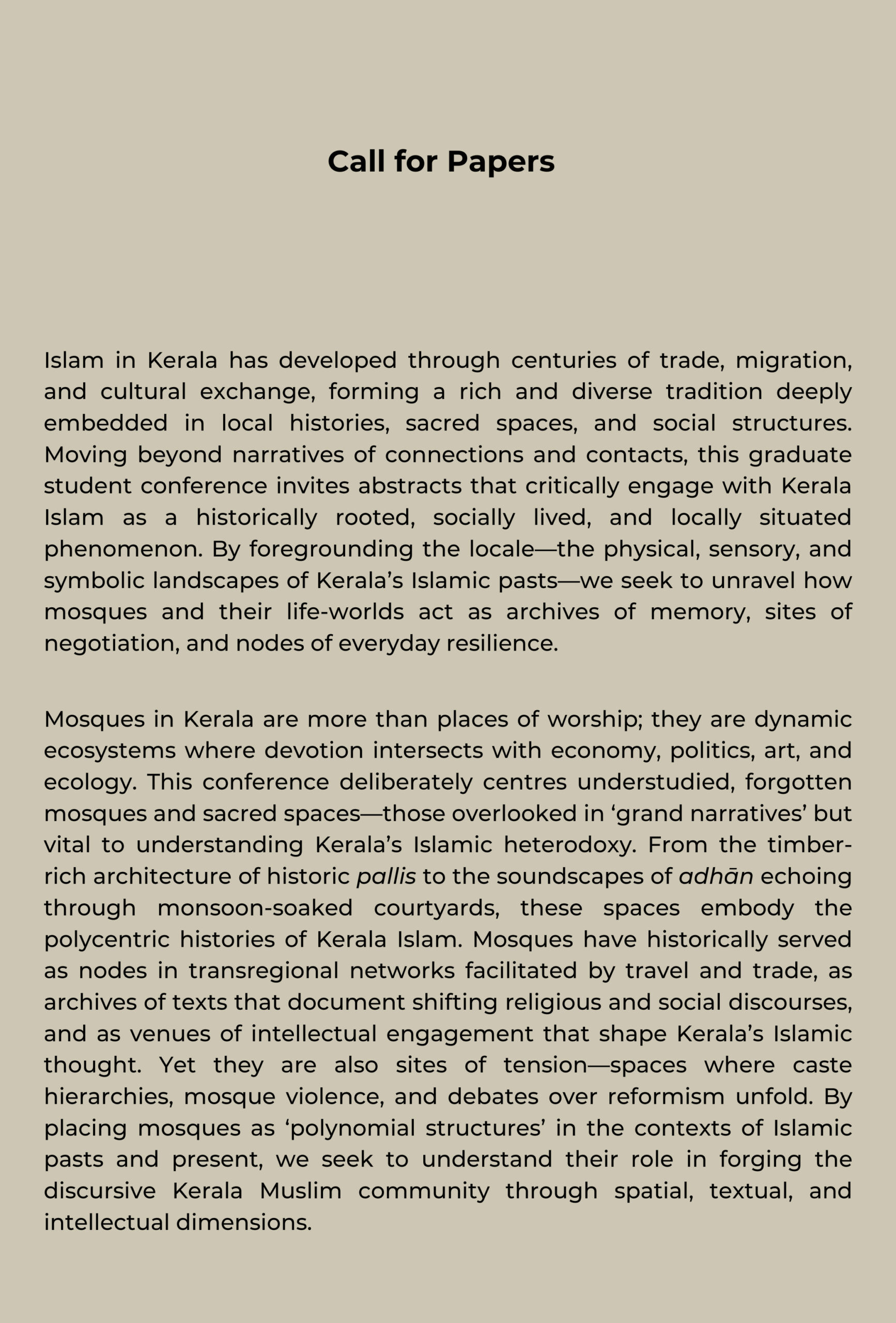
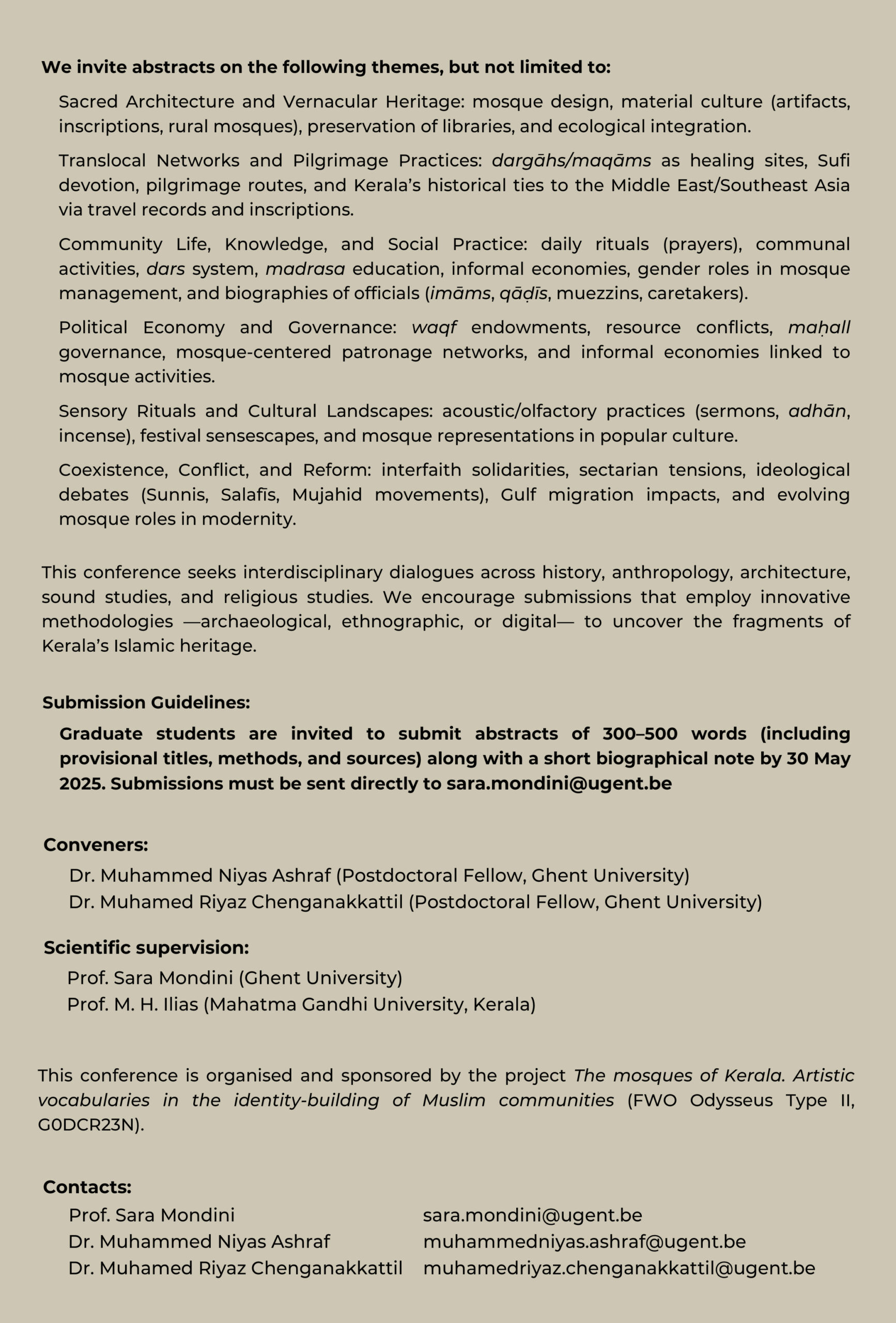
The third and final screening event of the Ghent Centre for South Asian Studies (GCSAS) for November 2025 on the artistic and religious landscapes of India takes place in Antwerp in collaboration with the Visual and Digital Cultures Research Center (ViDi), University of Antwerp.
Filmmaker and exhibition curator Harsha Vinay will be present to introduce and discuss his work. The programme features two of his documentaries, exploring the ritual and material worlds of Jainism and Hinduism—millennia-old religions that continue to thrive globally, including in Belgium’s vibrant Indian community of Antwerp.
Both films merge ethnography and aesthetics, transforming museum projects into cinematic explorations of how religion is lived, performed, and materialised.
After the screening, an open discussion with the filmmaker moderated by researchers from GCSAS and ViDi will delve into heritage documentation, and the role of film in representing living traditions.
TIME & VENUE
- When: Thursday 13 November 2025, from 17:00 to 19:00 (5 pm – 7 pm CET)
- Where: S.M.003, De Meerminne (Stadscampus), Faculty of Social Sciences – University of Antwerp, Sint-Jacobstraat 2, 2000 Antwerp
- Contacts: letizia.trinco@ugent.be; sara.mondini@ugent.be; paolosh.favero@uantwerpen.be
OPEN TO ALL. NO REGISTRATION REQUIRED.
TRAILERS
Short Films for Being Jain. Art and Culture of an Indian Religion
2022
Originally made for the Museum Rietberg’s exhibition Being Jain. Art and Culture of an Indian Religion (2022-2023), these short films explore key aspects of ritual and material culture within Jainism — including pilgrimage, asceticism, manuscript traditions, ritual death, and everyday lay practices — and have since been screened across the USA, Europe, and India.
Mirrors of Malabar
2019
Produced for the Museum Rietberg’s exhibition THE MIRROR – Our Reflected Self (2019) and subsequently screened internationally, Mirrors of Malabar document the making and ritual use of mirrors in worship and possession practices of coastal Kerala (southwestern India).
Guest speaker’s bio
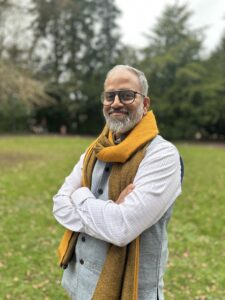 Harsha Vinay is the Founder Director of Green Barbet Ltd, India, with over ten years’ experience in curating exhibitions for international museums, cultural programming, administering an artist residency, production of research publications and documentary films.
Harsha holds an MA from the School of Arts & Aesthetics, Jawaharlal Nehru University, New Delhi, and a BFA in Painting from College of Fine Art, Bangalore. From 2013 to 2015 he worked at the National Gallery of Modern Art, Bangalore, as Assistant Curator in-charge of exhibitions, programmes and outreach. Prior to this he was the ‘Specialist Writer & Subject Expert’ on the curatorial team of the ICCR sponsored exhibition ‘The Body in Indian Art and Thought’, Bruxelles 2013. Here, Harsha was entrusted with research and collation of documentary films from the archives of the IGNCA and Sangeet Natak Akademi on the living traditions of India.
In 2016, Harsha Vinay moved to Varanasi as Director of the Alice Boner Institute, a residency space for academic and artistic research founded to keep alive the legacy of Swiss artist and scholar Padma Bhushan Dr. Alice Boner. Here he organised artist residencies, exhibitions, symposiums, and cultural events with a range of international institutions.
In 2018, Harsha started his own cultural enterprise in Bangalore – ‘Green Barbet: a company for art and culture in South Asia‘, which provides consultancy and advisory services for museums and cultural organisations within and outside India. Under the aegis of this company, Harsha Vinay has co-curated and collaborated on large exhibitions at Museum Rietberg, including ‘Alice Boner – Artist and Scholar’, 2015-18, ‘Mirror – The Reflected Self’, 2018-19, ‘Being Jain: Art and Culture of an Indian Religion’, 2022-23 and more recently ‘Ragamala – Pictures for all the Senses‘, 2024-25.
Harsha has organised numerous international programmes such as Dialogues on Alice Boner Symposium, January 2018, large public events and workshops in Zurich and Varanasi for a diverse audience. Harsha is co-editor of the publication series Alice Boner Dialogues, initiated in 2020. His experience includes facilitating exchange workshops for traditional artisans for the Crafts Council of India, Chennai and documenting craft traditions of Varanasi through short demonstrational videos by artisans. His interests also extend to art education, capacity building and integrating communities with museum spaces.
Harsha lives and works between Varanasi and Bangalore.
 |
 |
 |
 |
 |
 |
 |
 |
Developed in continuity with the Internationalisation@Home session at Ghent University on 12/11/2025, this event is organised in collaboration with Museum Rietberg (Zurich), Green Barbet Ltd (India), and the Visual & Digital Cultures Research Center, University of Antwerp. Funded by the Department of Languages and Cultures, Faculty of Arts and Philosophy, Ghent University, and FWO (Odysseus Type II grant: “The Mosques of Kerala. Artistic Vocabularies in the Identity-Building of Muslim Communities”).


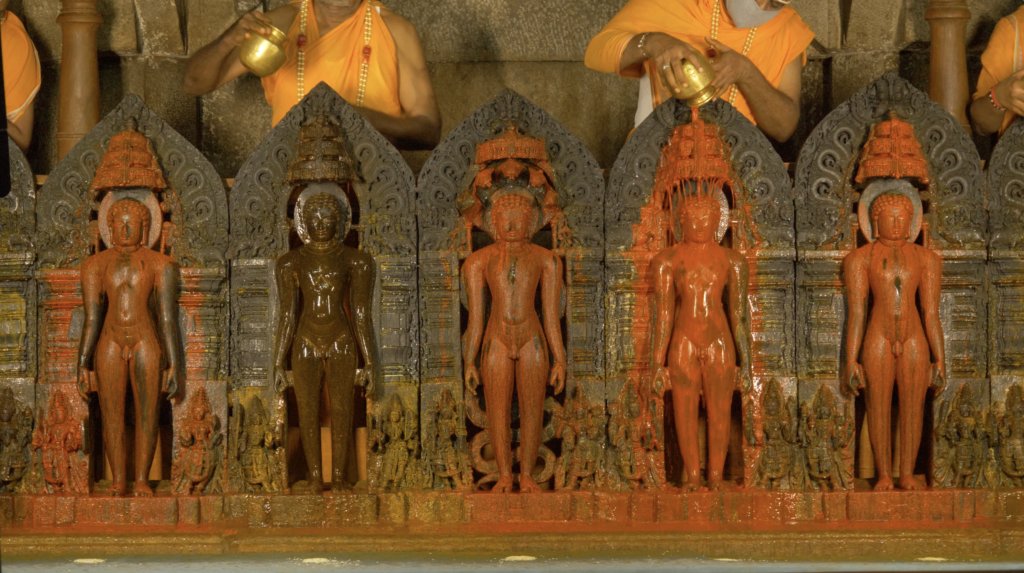
 This project will study the literary expression and socio-aesthetic role of Apabhramsha within the multilingual literary landscape of 10th-century Malkhed, South India. This period marks a turning point in the history of Apabhramsha and of Indian literature. Apabhramsha literature was at its height with the writing of the Jain author Puṣpadanta (10th c.), but after the sacking of Malkhed in 972 CE, it disappeared from South India, confining writing in the classical triad of languages (Sanskrit, Prakrit, and Apabhramsha) to North-India. Although scholars recognise the significance of this moment and of Puṣpadanta’s poetic excellence, his works or the role of Apabhramsha as a literary idiom have not been studied seriously. This project will address this gap by (1) characterising the socio-aesthetic qualities of Puṣpadanta’s Apabhramsha; (2) comparing these with those of other literary languages prevalent in 10th-century Malkhed; (3) analysing the religio-political complex at that time and its potential impact on Apabhramsha’s South-Indian demise; and (4) assessing the legacy of Puṣpadanta in North-India. I will apply methods of classical and digital philology on poetic texts, inscriptions, and manuscript colophons to achieve this. The project’s results will contribute to our understanding of the shift to the vernacular in South India, and of the influence of Apabhramsha on India’s literary history, stimulating new research on this understudied language.
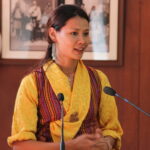 This project examines the intersection of local religious practices, environmental policies, and waste management in Sikkim, with a particular emphasis on the influence of Buddhist rituals and beliefs on the community’s approach to sustainability. Despite its relatively small geographic size, Sikkim has emerged as a leader in environmental initiatives, including the prohibition of plastic and the promotion of eco-friendly practices. However, traditional rituals, such as the tying of prayer flags and the use of synthetic materials in religious offerings, pose significant challenges to environmental conservation. This research investigates the roles of local deities, vernacular Buddhist practices, and monastic institutions in waste management, analyzing how religious concepts are integrated into environmental policies. Utilizing ethnographic fieldwork, interviews, and archival research, this study will explore how communities navigate the complexities of modernization and tradition, thereby contributing to academic discussions on waste, religion, and sustainability in the Himalayas. The project aims to produce scholarly articles, presentations, and public outreach materials, thereby fostering both academic and social engagement.
 This research project investigates the technical and pedagogical practices of medieval Chinese Buddhism by focusing on exegetical diagrams preserved in Dunhuang from the 8th to 10th centuries. Known both as fenmen tu 分門圖 (“diagram of gate-division”) and kewen 科文 (“text of analytical division”), these diagrams exemplify the liminal nature of this unique genre, which bridges the boundaries between image and text. Flourishing in medieval China and persisting into modern Buddhist practice, these diagrams provide critical insights into the epistemological foundations of Chinese Buddhist scholasticism. The study addresses three key questions: (1) What are the defining features and functions of these diagrams, and how do they facilitate knowledge organization? (2) How were they produced, transmitted, and utilized in their manuscript contexts, and what do these practices reveal about their pedagogical roles? (3) What do these diagrams disclose about the social and institutional networks of their producers and users? The project also situates Buddhist exegetical diagrams within the broader Chinese tu 圖 tradition, comparing them with diagrams from non-Buddhist traditions to analyze their divergences as scholastic tools. By exploring these diagrams as technical devices for knowledge transmission, this research shifts scholarly focus from doctrinal content to the technical savoir-faire underpinning intellectual traditions.